Unlocking Performance: Ultimate Guide to Upgrading Your Jetta 4 Engine
Boosting driving capability in the Jetta 4 engine calls for a thoughtful approach to upgrades. By focusing on important improvements, enthusiasts can increase both power and operational efficiency. From high-flow air intakes to ECU tuning, each enhancement contributes significantly. Learning the specifics relevant information of these modifications is fundamental for achieving the best results. As the journey unfolds, the choices made will greatly impact the driving experience. Which modifications offer the ideal combination of power and dependability?
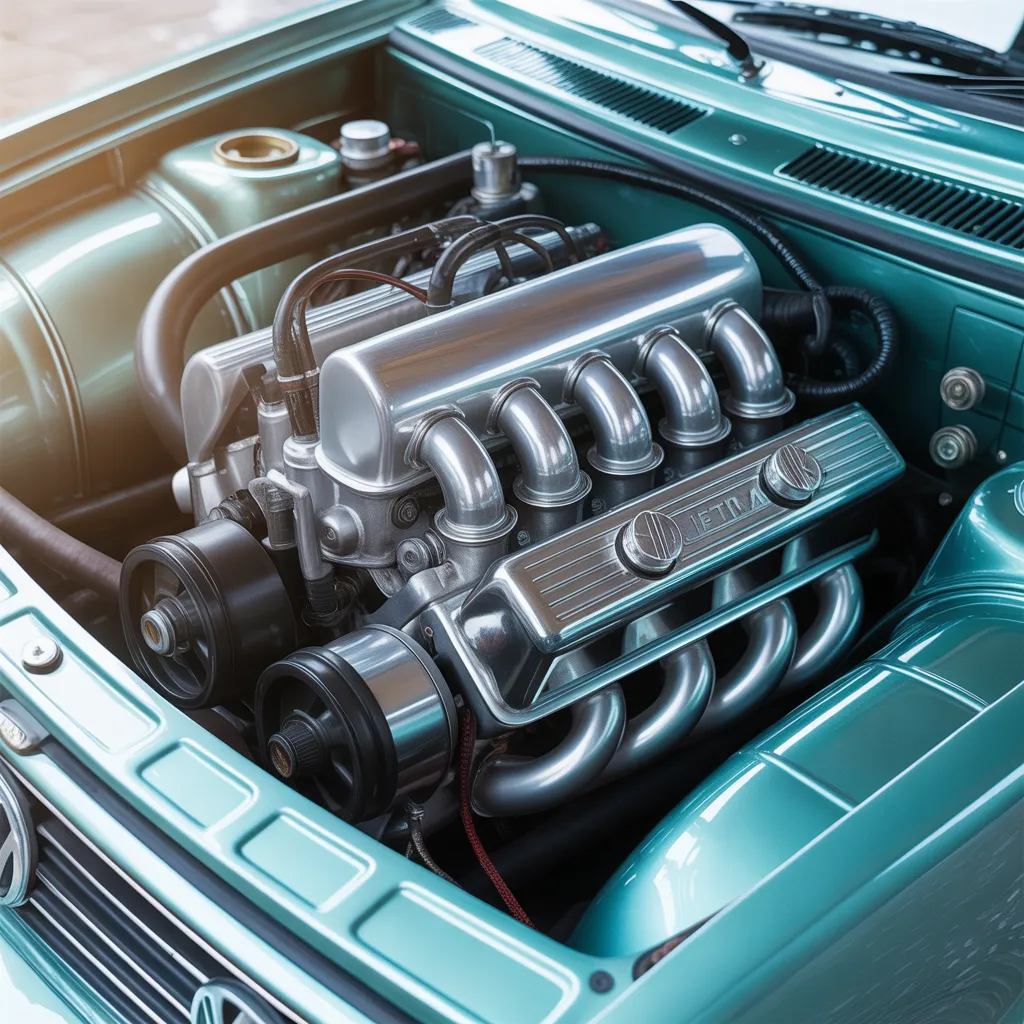
Essential Engine Upgrades for Your Jetta 4
When exploring essential mechanical enhancements for the Jetta 4, performance seekers often seek out improvements that boost performance and efficiency. One of the most sought-after modifications is the installation of a upgraded air induction system. This upgrade enhances air delivery to the motor, facilitating better air intake and enhancing throttle sensitivity. Additionally, fitting a high-performance exhaust improves exhaust circulation, which can deliver improvements in horsepower and torque.
One more significant enhancement is the ECU chip tuning, which fine-tunes fuel maps and ignition timing for enhanced performance. This adjustment can significantly improve overall drivability and acceleration. Adding an upgraded intercooler is also beneficial, particularly for forced induction models, as it works to reduce intake temperatures and enhance efficiency. Finally, opting for a lightweight flywheel can minimize rotational mass, enabling faster engine revs and improved performance. Together, these upgrades lay a strong foundation for a highly capable and efficient Jetta 4 engine.
Selecting the Best Performance Parts for Your Jetta 4
When enhancing a Jetta 4 vehicle engine, selecting the right performance parts is critical for attaining optimal results. Knowing the fundamental performance components can considerably boost engine efficiency and power. This section will explore key upgrades that can revolutionize how the vehicle performs.
Engine Upgrades Overview
Upgrading the engine of a Jetta 4 can greatly improve its driving experience and performance. Choosing the right performance parts is critical for attaining the expected improvements. Available enhancements encompass turbochargers, high-flow air intakes, and performance exhaust systems, every one delivering increased horsepower and torque. Moreover, optimizing engine management software can improve fuel delivery and ignition timing, further enhancing performance. When considering upgrades, it is essential to assess compatibility with existing components and driving preferences. Researching reputable brands and gathering user reviews can aid in making informed decisions. At the conclusion, a well-planned engine upgrade strategy can lead to significant improvements in acceleration, efficiency, and overall driving enjoyment. Thoughtful choices ensure that enhancements match individual goals for the Jetta 4.
Key Performance Elements
Selecting the ideal upgrade components for a Jetta 4 is critical to achieving optimal enhancements in performance and fuel economy. Important modifications include a performance air intake system, which boosts airflow and improves engine breathing. Paired with a performance exhaust system, this combination can noticeably minimize back pressure, enabling enhanced exhaust flow and greater horsepower. Upgrading an upgraded intercooler supports ideal air temperatures, additionally improving engine performance. Furthermore, a reprogrammed engine control unit (ECU) can enhance ignition timing and fuel delivery for increased power output. Lastly, including enhanced suspension components, such as performance shocks and springs, enhances handling and stability, guaranteeing that the Jetta 4 can properly leverage its enhanced power on the road.
Exhaust Systems: Choosing the Best for Sound and Power
Although numerous car enthusiasts focus on performance, the selection of an exhaust system can greatly influence both acoustics and performance in a Jetta 4. Upgrading to a high-performance exhaust can boost engine effectiveness by reducing back pressure, facilitating enhanced airflow. This improvement in airflow not only elevates horsepower output but also delivers a more pronounced exhaust tone that numerous drivers desire.
When selecting an exhaust system, choices include headers, cat-back systems, and axle-back systems. Every option delivers distinct benefits and sound characteristics, from powerful, rumbling tones to sharp, high-pitched notes. Material choice also plays a significant role; stainless steel is the top choice for its durability and corrosion resistance.
At the end of the day, the perfect exhaust system balances acoustics and power output, complementing the Jetta 4's qualities while meeting the driver's specific requirements. Careful consideration of these factors secures a fulfilling upgrade that enhances both driving experience and vehicle appeal.
Turbocharging vs. Supercharging Your Jetta
When evaluating how to substantially improve the performance of a Jetta 4, enthusiasts often weigh the benefits of turbocharging versus supercharging. Turbocharging utilizes exhaust gases to drive a turbine, pressurizing the air fed into the engine, which enhances power output without substantially adding to engine displacement. This technique commonly produces greater fuel economy and decreased emissions, making it a favored option among performance enthusiasts.
On the other hand, supercharging pulls power directly from the engine's crankshaft, providing instantaneous boost. This produces rapid throttle response and reliable power delivery throughout the entire RPM range. That said, supercharged systems can reduce overall engine efficiency due to parasitic drag.
Ultimately, choosing between turbocharging and supercharging is a matter of individual preference. Turbochargers tend to attract drivers who prioritize efficiency and maximum power, while superchargers draw in drivers who crave instant throttle response. Both options offer unique benefits, enabling Jetta 4 owners to customize their cars to suit their particular driving habits.
How to Enhance Your Jetta's Performance Using ECU Remapping
Enhancing a Jetta's engine performance through ECU remapping can significantly improve torque and horsepower. This procedure includes altering the engine control unit's software to enhance boost pressure, fuel delivery, and ignition timing. By adjusting these variables, drivers can experience improved acceleration and overall responsiveness.
Prior to moving forward, it is crucial to find a reliable tuning professional or employ trusted software customized for Jetta applications. Every vehicle may require specific adjustments according to its alterations and planned use.
In addition, test drive data logging can offer valuable insights, enabling further refinements in the tuning process.
Once the remapping has been completed, motorists should carry out detailed inspections to confirm that performance gains do not compromise engine reliability. This careful approach guarantees that the Jetta delivers a balanced blend of power and efficiency, maximizing the potential of the upgraded engine without sacrificing longevity.
Upkeep Guidelines for Your Enhanced Jetta 4 Performance
Routine upkeep is crucial for enhancing the overall performance of an upgraded Jetta 4. Drivers should make regular oil changes a priority, using high-quality synthetic oil to guarantee maximum engine lubrication and operational efficiency. Routinely checking and changing air filters is essential, since a fresh filter facilitates improved airflow and boosts engine performance.
Moreover, maintaining proper tire pressure and alignment contributes to superior handling and increased fuel efficiency. Checking and replacing spark plugs at recommended intervals additionally boosts the efficiency of ignition, directly impacting driving performance.
It is essential to monitor the vehicle's coolant levels and confirm the cooling system is operating correctly to avoid engine overheating. Routine inspections of the brakes and suspension parts are essential for performance and safety.
To wrap up, utilizing high-grade fuel can improve engine performance, particularly following major upgrades. By adhering to these upkeep guidelines, Jetta 4 owners can benefit from long-lasting performance from their upgraded vehicles.
Answers to Your Top Questions
How Much Does a Jetta 4 Engine Upgrade Typically Cost?
The average cost of improving a Jetta 4 engine typically ranges from $1,500 to $5,000, influenced by the particular modifications, components selected, and work involved, reflecting varying performance goals and individual preferences.
Is It Possible to Handle Upgrades on My Own, or Should I Bring in a Professional?
Enhancements can be done without assistance if the person possesses adequate tools and mechanical skills. Nevertheless, hiring a professional is advisable for those lacking experience, providing the best possible results and limiting the chance of errors in the course of the work.
How Might Upgrades Change My Jetta's Warranty
Upgrades can potentially invalidate a Jetta's manufacturer's warranty, most notably if they affect engine components. It is crucial for owners to thoroughly read warranty documentation and reach out to dealerships to understand which modifications may influence their warranty coverage.
What Are Common Mistakes to Avoid During Engine Upgrades?
Common mistakes during engine upgrades include disregarding compatibility requirements, undervaluing the complexity of installation, overlooking necessary supporting modifications, failing to research reliable parts, and disregarding essential tuning needs. These errors can lead to suboptimal performance and potential engine damage.
How Can I Make Sure My Upgrades Are Street Legal?
To confirm enhancements remain legally compliant, individuals should research local regulations, choose approved components, obtain necessary permits, and seek expert guidance. Periodic evaluations are beneficial in helping to ensure compliance with environmental and safety regulations.
Summary
In summary, upgrading the Jetta 4 engine offers a pathway to greater performance and an exhilarating driving experience. By thoughtfully integrating key upgrades—such as better air intake, upgraded exhaust systems, and precision engine tuning—owners can access substantial gains in both power and efficiency. Careful selection of quality parts and regular maintenance additionally ensures that these upgrades deliver dependable performance. In the end, a thoroughly modified Jetta 4 not only offers an exhilarating time behind the wheel but also stands the test of time on the road.